3 min read · Last updated May 28, 2026
Pre-Summer AC Maintenance in Tampa
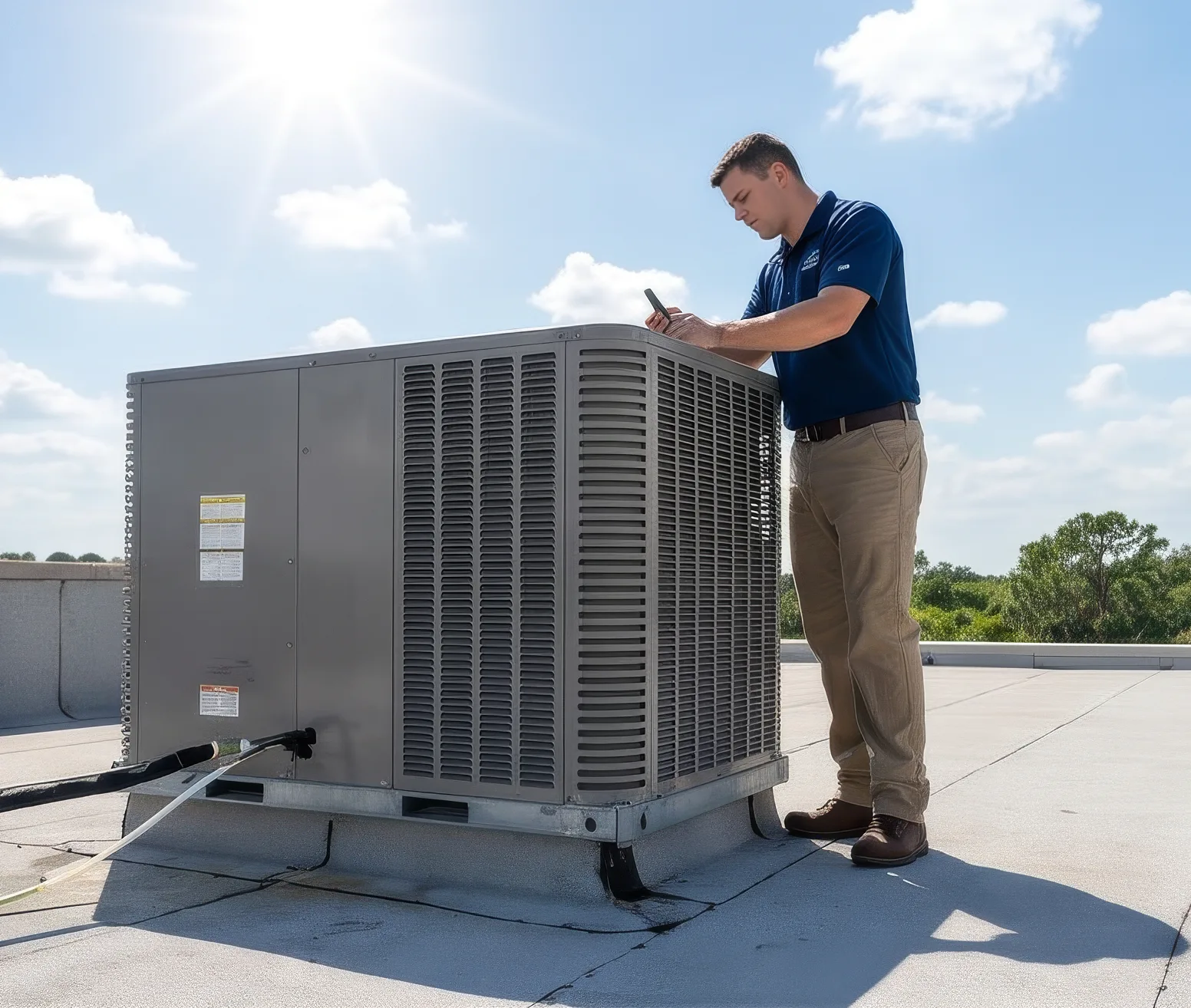
Pre-summer maintenance should verify airflow, electrical components, drain paths, coils, thermostat operation, and outdoor-unit condition.
Reviewed for customer education by Air Strike Cooling, operating under Florida Certified Air Conditioning Contractor license CAC1822636, held by Hale's Air Conditioning Service, Inc. (Hales AC).
Quick answer
Pre-summer maintenance should verify airflow, electrical components, drain paths, coils, thermostat operation, and outdoor-unit condition.
Pre-summer Tampa maintenance should catch airflow, drain, electrical, coil, thermostat, and outdoor-unit issues before the longest cooling runs arrive.
What pre-summer maintenance should catch
Pre-summer maintenance should catch problems that become urgent during long Tampa cooling runs: weak capacitors, clogged drains, restricted filters, dirty coils, blower issues, thermostat errors, outdoor-unit debris, and early water-safety concerns. The visit should leave the homeowner with a clear picture of what was checked and what could still require repair.
Why Tampa timing matters
Waiting until peak heat can turn a preventable drain, airflow, or electrical issue into an emergency call. Tampa systems may run for long stretches while removing moisture, so small restrictions can grow quickly. A pre-summer visit gives the system a chance to start the season with cleaner airflow, safer drainage, and fewer surprise shutdowns.
How to prepare for the visit
Before the appointment, note recent symptoms, thermostat behavior, hot rooms, water near the air handler, filter changes, unusual sounds, and whether the power bill changed. Clear access to the indoor and outdoor equipment if safe. Good symptom notes help the technician decide whether the visit is routine maintenance or diagnosis.
Drain and float-switch checks are not optional in Tampa
A summer tune-up should treat the condensate path as a comfort and water-protection item. Long cooling cycles create steady moisture, and a partially blocked drain can shut the system down or create water risk near ceilings, closets, garages, or floors. The visit should note the drain line, pan, float switch, visible algae or sludge risk, and whether the homeowner has seen a blank thermostat or water near the air handler before.
Electrical checks should connect to symptoms
Weak electrical components can show up as hard starts, humming, intermittent outdoor-unit operation, short cycling, breaker trips, or a system that fails during the hottest part of the day. Maintenance should not be a vague visual pass. It should connect electrical observations to the homeowner's symptoms, document any concern clearly, and explain whether the finding is routine wear, a repair recommendation, or a watch item.
Maintenance versus repair
A pre-summer visit may uncover an issue that maintenance alone cannot fix. Dirty coils, clogged drains, weak airflow, and loose electrical connections may be maintenance items, but a failed capacitor, damaged blower component, refrigerant-side issue, repeated breaker trip, or active leak should move into repair diagnosis. Clear separation helps homeowners understand why a tune-up can reduce preventable problems without guaranteeing every part will survive the season.
Homeowner questions
FAQ
What should pre-summer AC maintenance include?
Pre-summer maintenance should check airflow, filter condition, coils, drain path, float switch, thermostat operation, blower performance, outdoor-unit condition, and electrical components. In Tampa, the goal is to catch restrictions, weak parts, and water-safety issues before long cooling cycles turn them into emergency calls.
When should I schedule AC maintenance before summer?
Schedule before the longest heat arrives or sooner if the system has water history, weak airflow, high bills, hot rooms, odd sounds, or recent repair symptoms. A pre-summer visit is most useful when it has time to identify maintenance needs before the system is already under peak demand.